
Postsecondary Leadership
Circle Activation Fund


Postsecondary Leadership Circle Activation Fund
Although student parents perform well academically1 and are highly motivated to complete postsecondary credentials to change their family’s socioeconomic trajectory, institutional and systemic barriers often stand in their way. These barriers are reflected in the lower attainment rates of parenting students,2 with only 18 percent earning an undergraduate degree within six years -- compared to 27 percent of independent and 54 percent of dependent, non-parenting students.
About half of the 3 million3 undergraduate student parents in the United States are enrolled at community or technical colleges, including 51 percent of single mother undergraduates.4 For these groups, benefits from degree completion are amplified compared to other students and impact whole families5. To support better outcomes for student parents and their children, Ascend launched the Postsecondary Leadership Circle Activation Fund (PLCAF) to accelerate the efforts of community college partners that began during our Postsecondary Leadership Circle (PLC). The PLC brought together more than 20 college and university leaders spearheading innovative practices and family-friendly strategies on their campuses to raise awareness of and share recommendations to better support students who are parents.
Partner institutions who then participated in the Fund received financial resources, technical assistance, and peer learning opportunities to implement systemic, measurable, and sustainable strategies derived from Ascend's report, Tapping the Talent of Student Parents: A Playbook for Postsecondary Leaders. The Playbook showcases promising practices identified through PLC members’ successes and lessons learned in implementing action plans to support student parents on campus.


Timeline and Milestones

Timeline
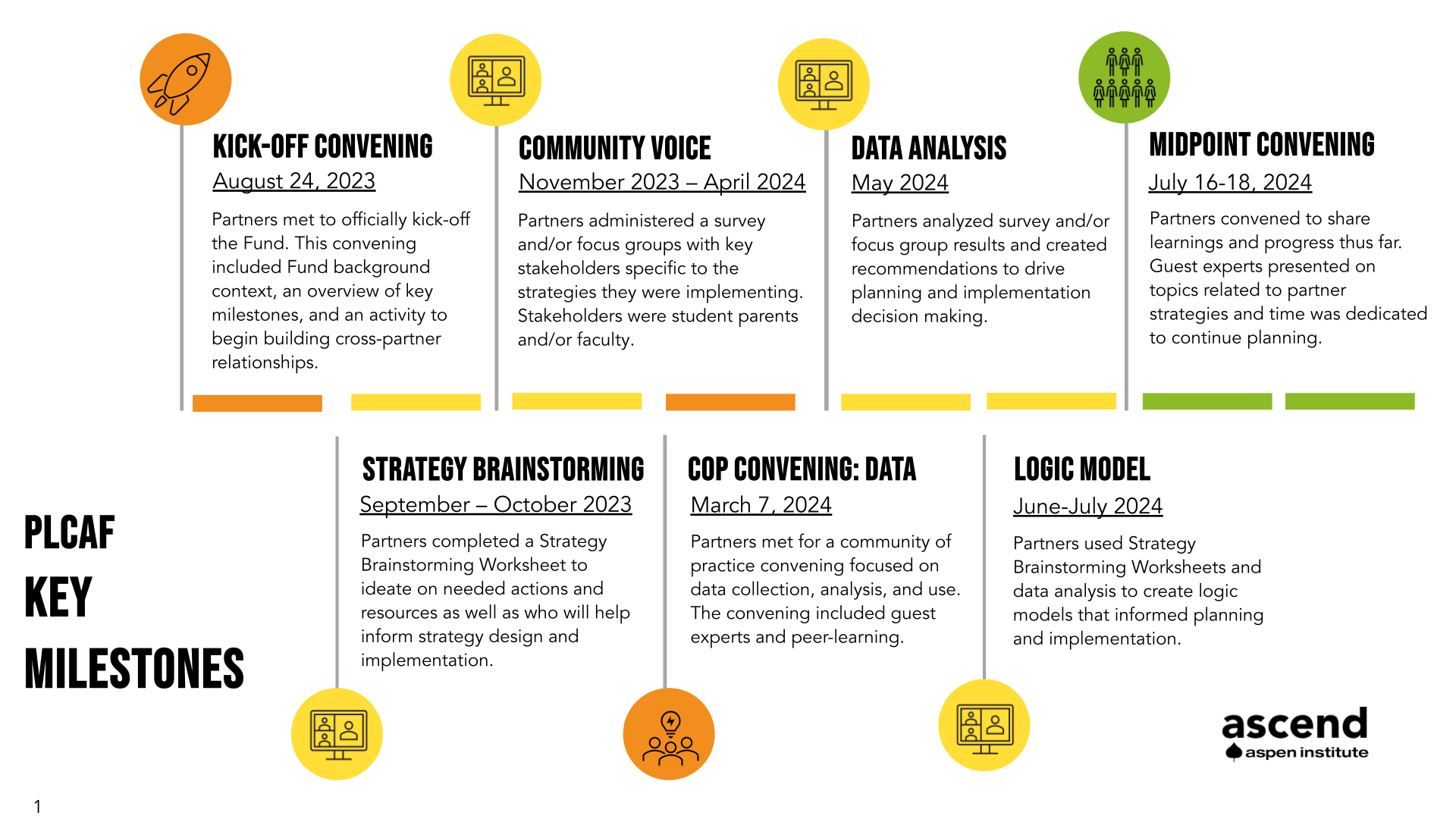
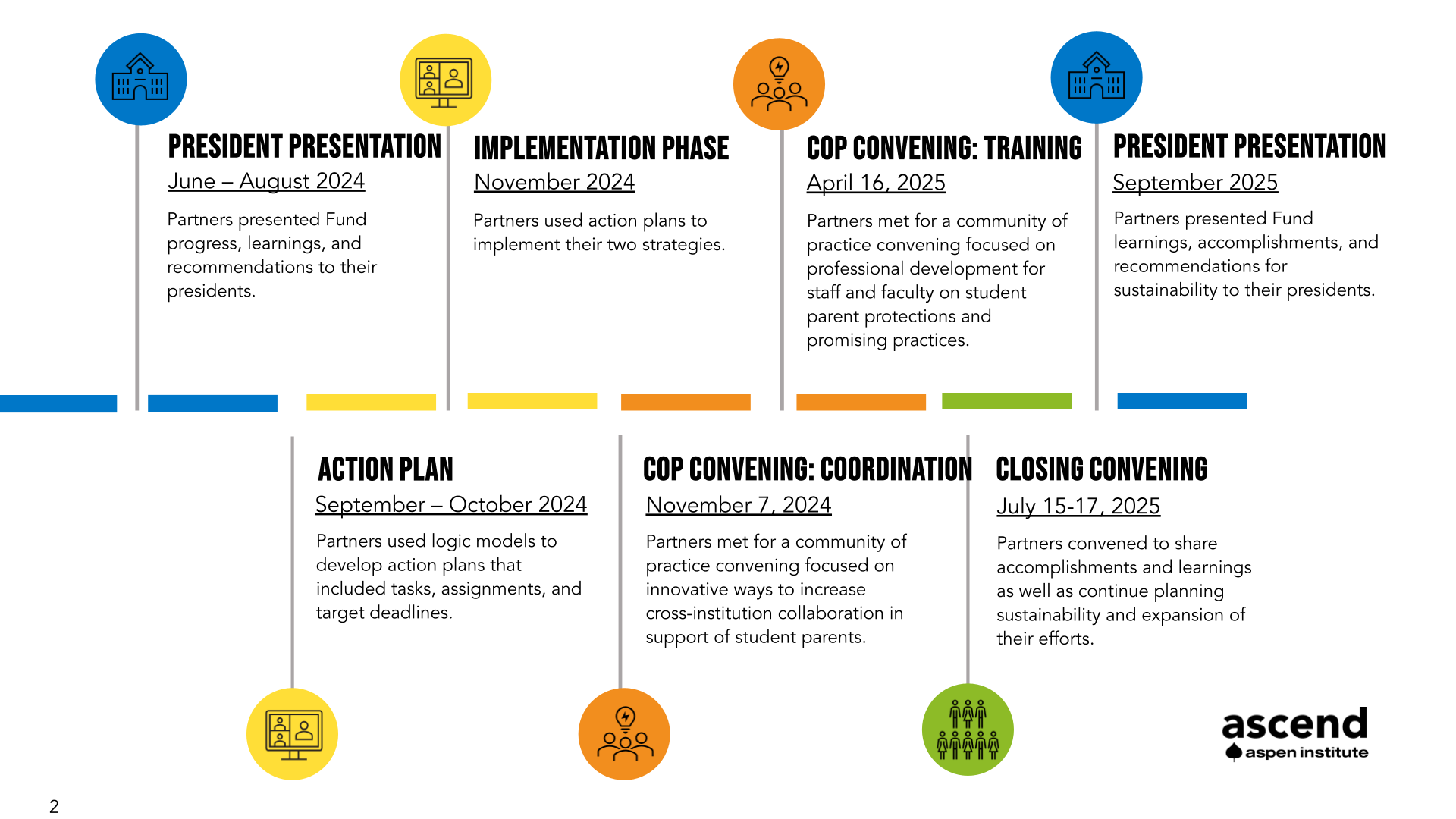
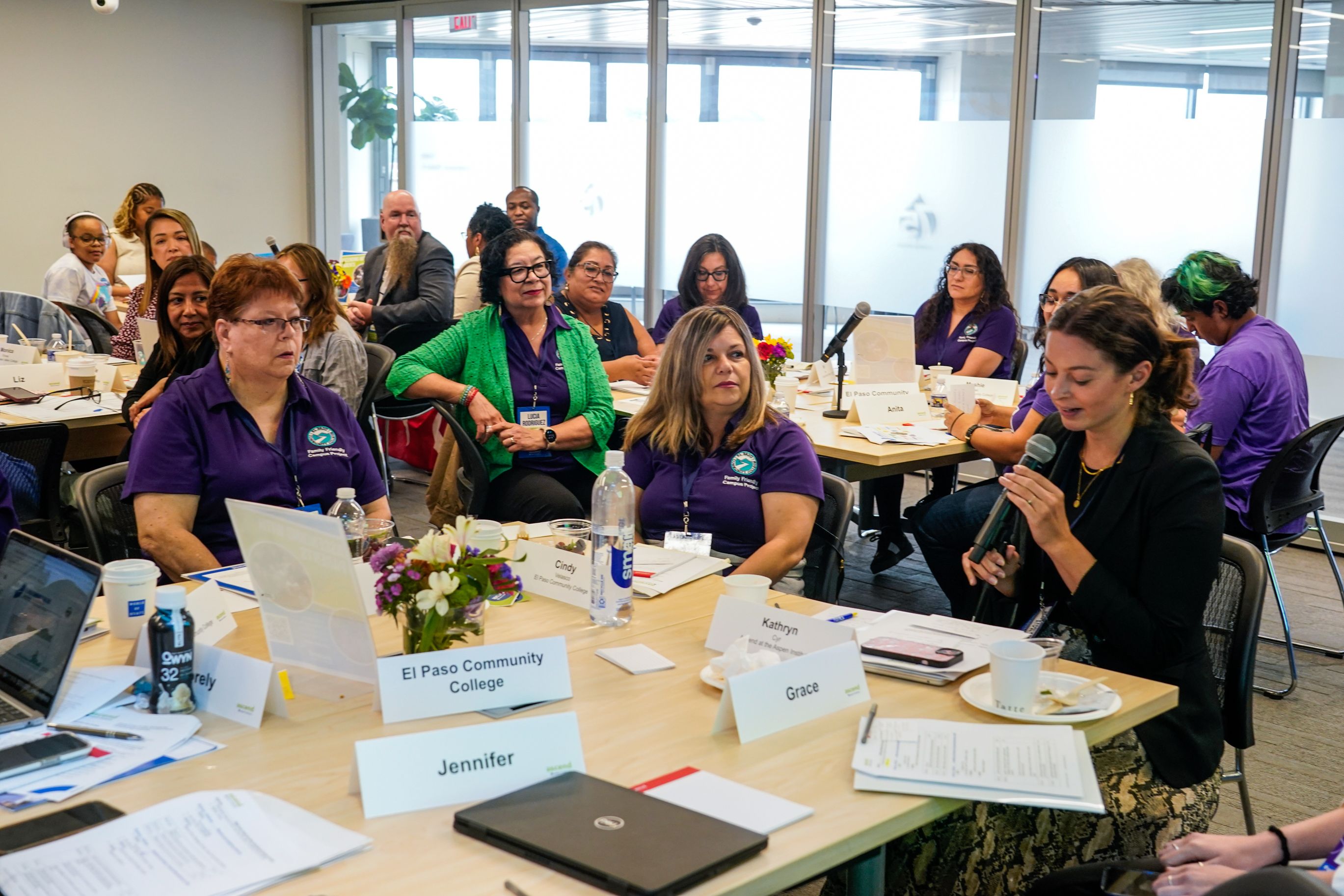
The PLCAF began in August 2023 with an opening convening to set our goals and ended in September 2025 with presentations to college presidents. At the start, partners assembled cross-institution task forces and identified project directors to move the efforts forward. Each month, Ascend provided technical assistance through individual college meetings and a group meeting with project directors. The Fund included three virtual community of practice (COP) convenings and two in-person convenings (midpoint and closing) to provide expert guidance and peer-learning opportunities.
Milestones

Meet the Colleges


Four community colleges, one shared goal: building systemic, measurable, and sustainable supports for student parents.
|
|
|
|
|








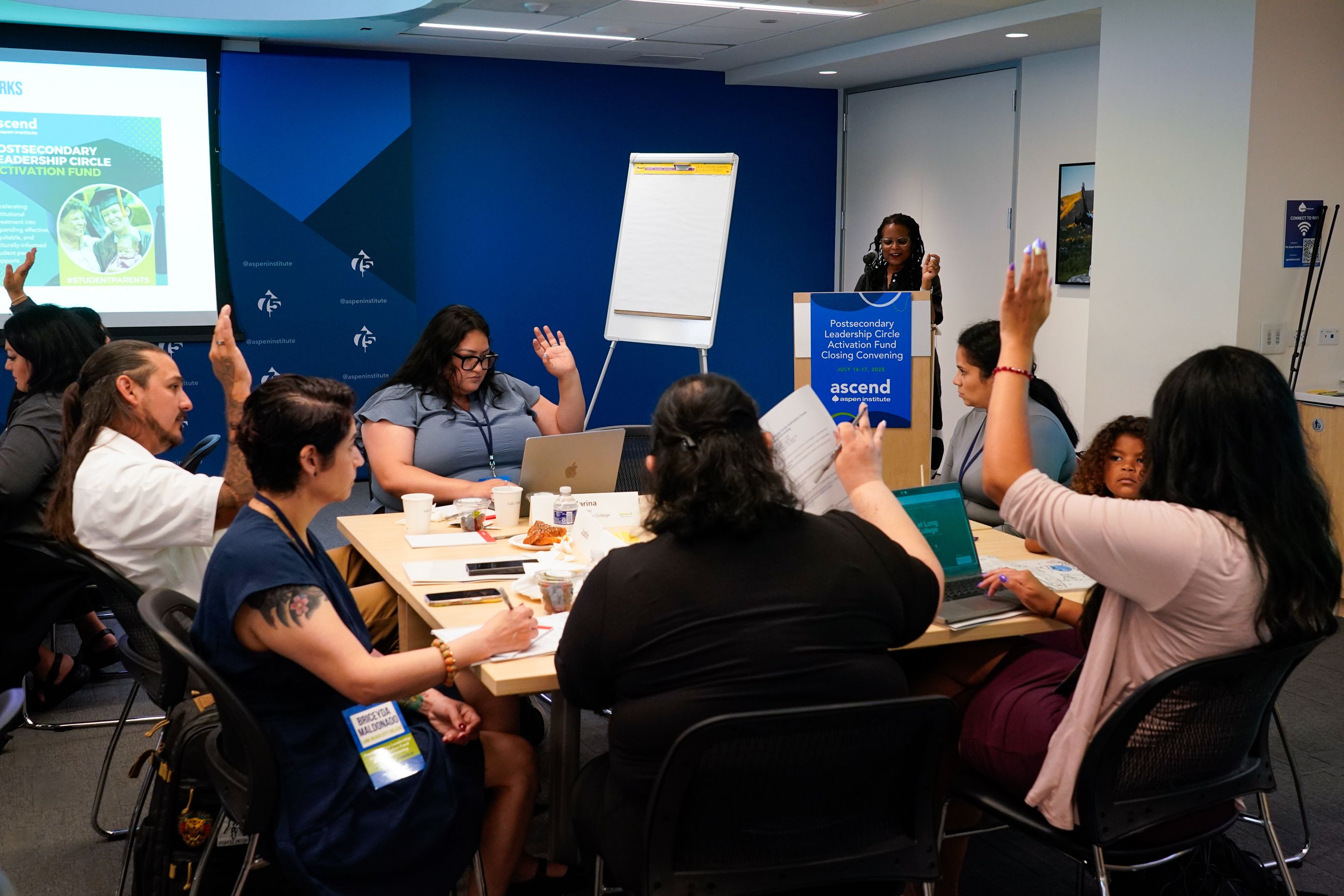
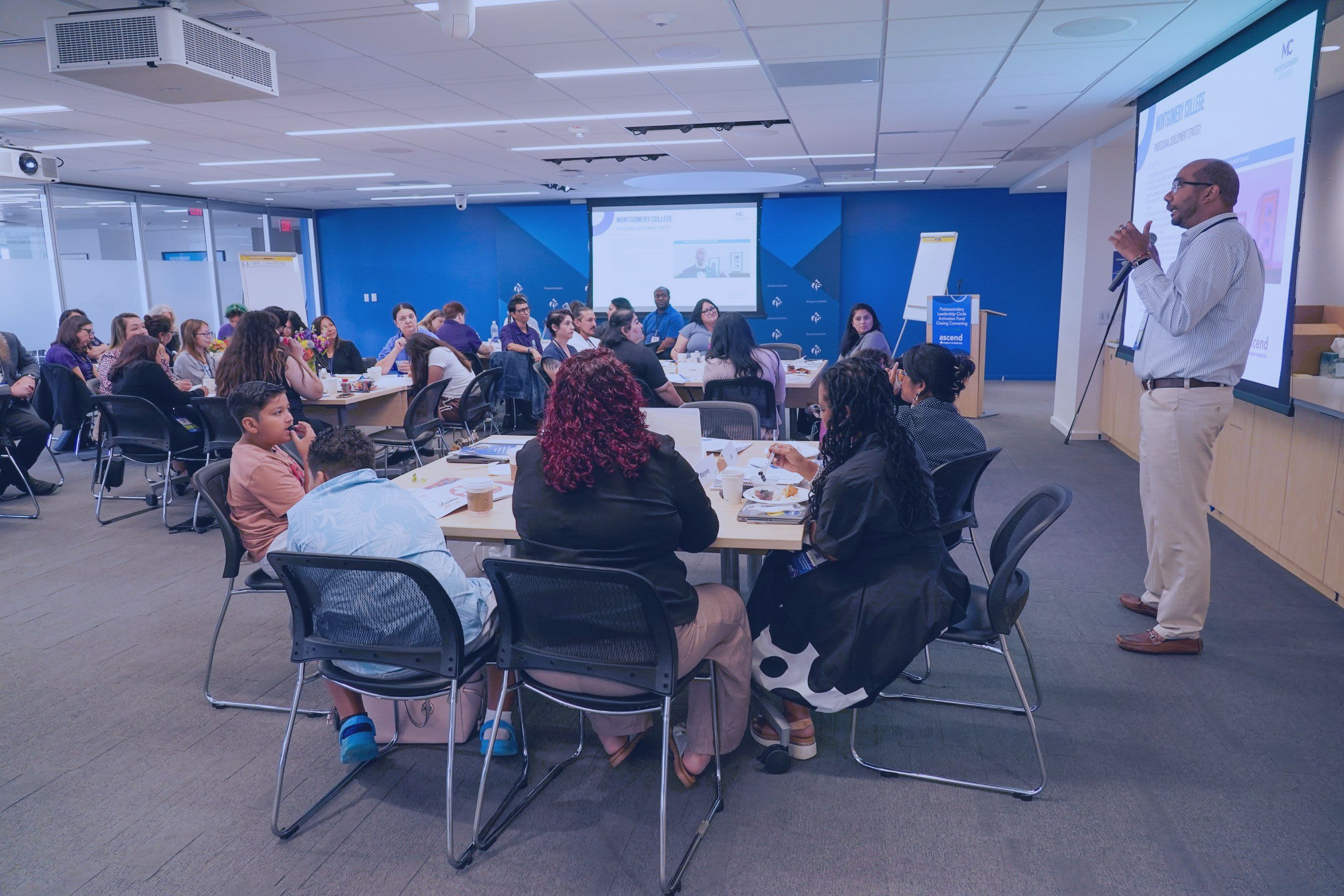
“What I found most valuable was the opportunity to come together with others who share a common goal: supporting student parents. Collaborating in a space where everyone is committed to the same mission was both empowering and inspiring.” – Chealsea Zavala, Student Parent, Los Angeles Valley College
El Paso Community College (EPCC)
EPCC has five campuses located throughout El Paso County, Texas, serving approximately 25,000 students and offering more than 130 academic programs as well as personal enrichment and continuing education courses.

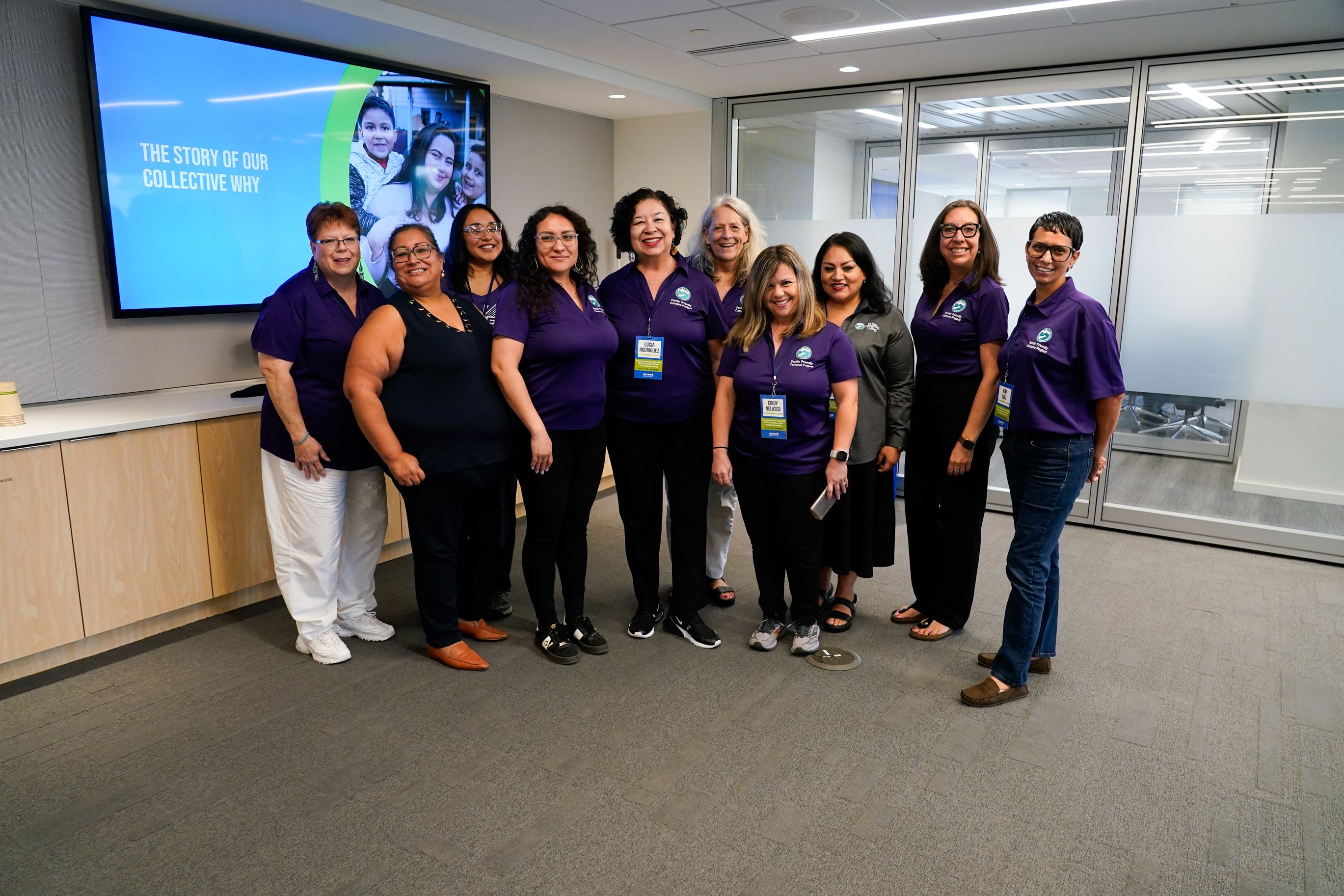
El Paso Community College
Strategies
Strategy 1:
2Gen Approach - Conduct an institutional analysis using a 2Gen framework that leads to policy and practice changes that benefit families and create an awareness campaign to inform faculty, staff, and students about what resources and supports are available.
Key Activities:
- Developed an outreach campaign to raise awareness of family-friendly supports and services.
- Drafted a mandatory syllabus statement related to student parent protections and support.
- Increased capacity at campus Student Parent Resource Centers through additional staff and partnerships.
- Secured funding for student parent scholarships through partnering with the EPCC Foundation.
Strategy 2:
Data - Develop an ongoing process that identifies pregnant and parenting students; monitors and analyzes their outcomes and potential barriers to success; and designs and improves interventions to increase their persistence and completion of credentials.
Key Activities:
- Conducted a student parent survey and focus groups to inform policy and practice.
- Added a student parent question to the college admissions application.
- Developed interactive student parent data dashboards that staff can leverage in decision making.
- Applied and was accepted to the Data-to-Action for Parenting Students at Texas Colleges and Universities Grant Program.
- Began the process of adding a student parent question during registration.
Long Beach City College (LBCC)
LBCC has two campuses located in Long Beach, California, serving approximately 25,000 students and offering more than 70 academic programs as well as adult and career technical education.

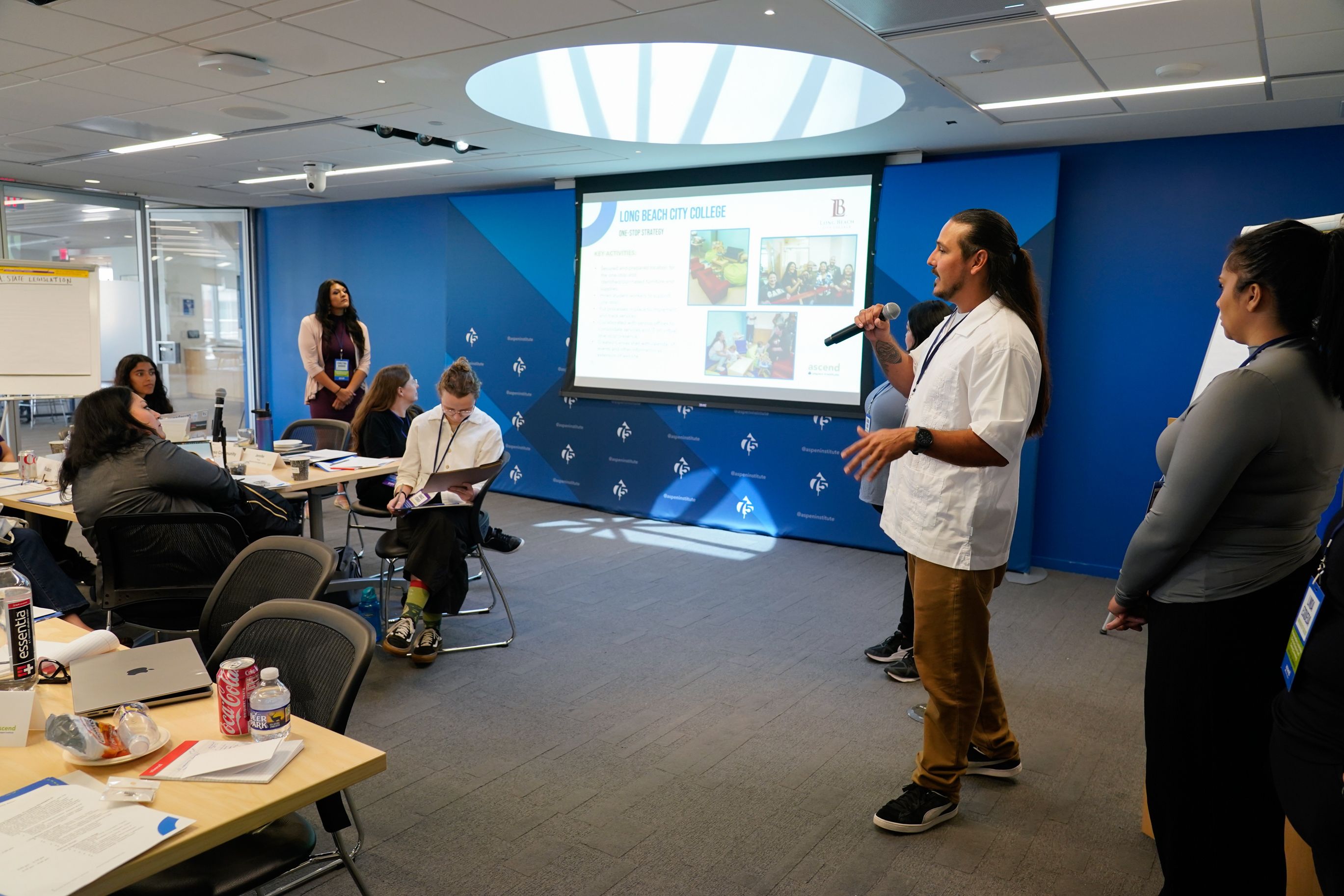
Long Beach City College
Strategies
Strategy 1:
One-Stop - Design and launch a hybrid, one-stop for student parent support, compiling resources and services in one campus location for easier accessibility and increased awareness.
Key Activities:
- Secured, prepared, and furnished a campus space for the Student Parenting Hub.
- Partnered with Information Technology Services to expand the functionality of LBCC’s student parent webpage.
- Collaborated across programs and hired student workers to staff the Student Parenting Hub.
- Established processes to coordinate support efforts and track services provided.
Strategy 2:
Outreach - Develop and implement an internal and external multimedia outreach campaign to increase the sense of student parent belonging, connect student parents to peers, and raise awareness about institutional support.
Key Activities:
- Partnered with Public Affairs and Marketing to develop a Parents BeLong campaign.
- Hosted multiple family-friendly holiday events, a resource fair, and Student Parenting Hub grand opening.
- Established a student parent club with regular meetings and activities.
Los Angeles Valley College (LAVC)
LAVC is part of the Los Angeles Community College District and located in Valley Glen, California. The college serves approximately 16,000 students and offers over 100 degree programs as well as adult and career technical education.

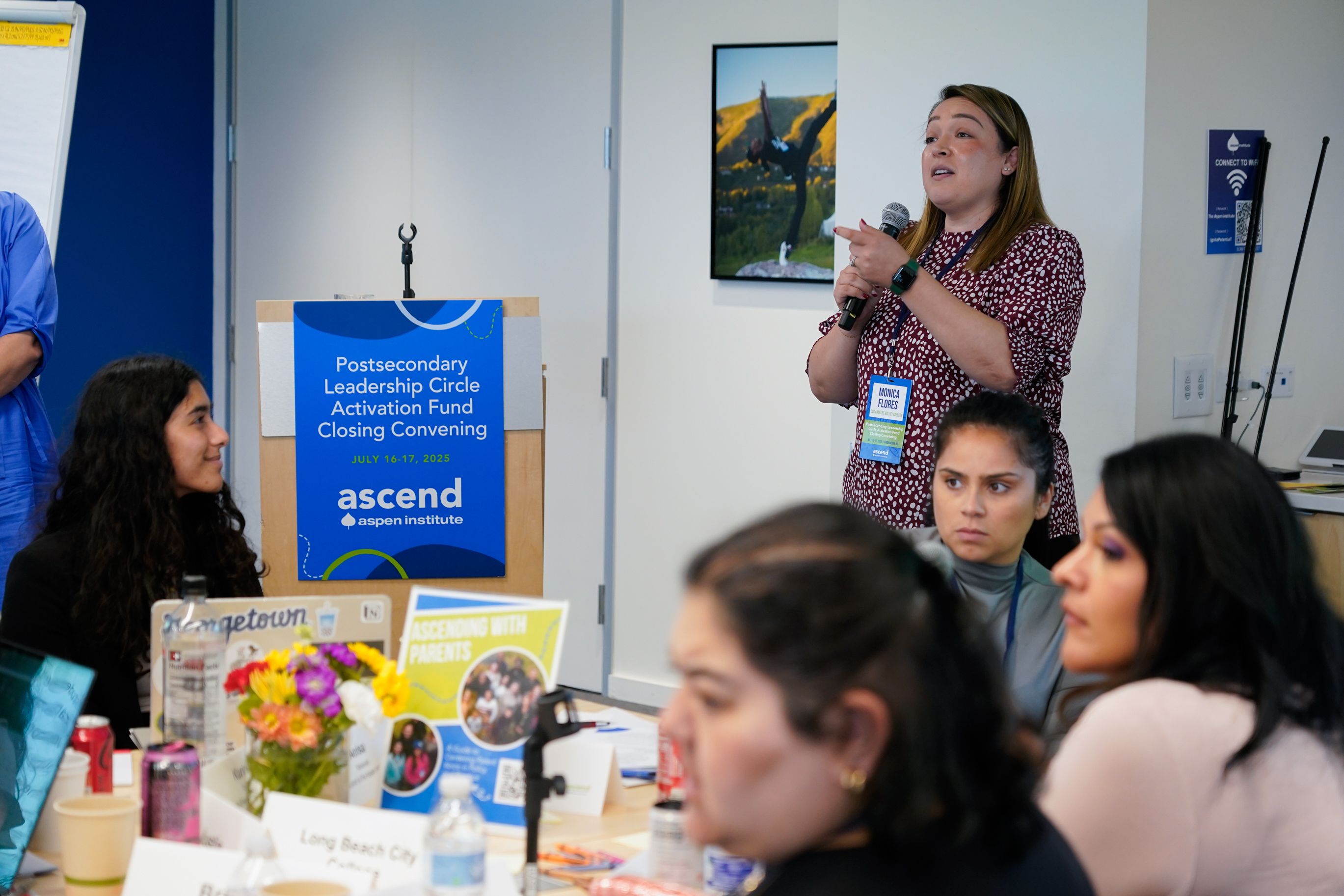
Los Angeles Valley College Strategies
Strategy 1:
Outreach - Develop a multimedia outreach campaign designed to create a sense of belonging for student parents, highlight institutional supports, and inform students, staff, and faculty of pregnant and parenting student protections and right to priority registration.
Key Activities:
- Developed an awareness campaign that included flyers, mailers, videos, and social media.
- Conducted direct outreach to new and enrolled student parents via email and phone calls.
- Held multiple family-friendly events including a Family Resource Center open house and resource fair.
- Expanded content on LAVC’s Resources for Student Parents webpage.
Strategy 2:
Accessibility Analysis - Conduct an institution-wide review of campus supports to analyze student parent friendliness and accessibility and implement changes to increase student parent support use based on the results.
Key Activities:
- Deployed a student parent survey to better understand potential barriers to support usage.
- Partnered with Public Relations to develop a family-friendly campus map.
- Engaged the LAVC Foundation to seek additional resources to support student parent success.
- Developed an interactive student parent data dashboard to analyze academic outcomes.
- Increased Family Resource Center capacity by hiring staff and partnering with external stakeholders.
Montgomery College (MC)
MC has three campuses located in Montgomery County, MD, serving approximately 18,000 students and offering over 130 degree and certificate programs as well as noncredit courses.


Montgomery College
Strategies
Strategy 1:
Professional Development - Create and implement annual professional development curriculum and supplemental materials for all staff and faculty related to student parent protections and promising practices.
Key Activities:
- Partnered with Believe in Students to develop a bonus course on parenting students in its #RealCollege Curriculum.
- Co-created college professional development curriculum alongside faculty.
- Develop mechanisms to track participation and changes in student parent satisfaction.
- Drafted a supportive policy framework including elements of Title IX, the PUMP Act, and the Pregnant Workers Fairness Act.
Strategy 2:
Data - Develop an ongoing process that identifies pregnant and parenting students; monitors and analyzes their outcomes and potential barriers to success; and designs and improves interventions to increase persistence and completion.
Key Activities:
- Added a student parent question to the college’s student satisfaction survey.
- Established that a student parent survey will be deployed each Spring and Fall term.
- Received approval to add a student parent question to the admissions application.
- Held a student parent focus group in Spring 2025 to information college policy and practice.
Systematic, Measurable, and Sustainable Strategies


In order to best support student parents, postsecondary partners created strategies that were systemic, measurable, and sustainable. By focusing on these three elements together, they could create lasting change on campus — with impact that stretched beyond any one Fund, external initiative, or even administration.
Systemic Strategies
What are systemic strategies?
Strategies that engage staff and faculty from various programs and offices across the college or university, and are embedded in institutional policies and practices, ultimately changing institutional culture.
Why are systemic strategies important?
To become a family-friendly institution, policies and practices must remove barriers and increase support for student parent attainment and staff and faculty must be knowledgeable about pregnant and parenting student promising practices and protections.
Examples
- Establish a cross-institutional student parent task force.
- Develop student parent/family-friendly policies.
- Embed student parents in the institution’s strategic plan and goals.
- Include student parent representatives in decision making.
- Add student parent efforts to job descriptions.
- Implement professional development for faculty and staff on student parent protections and promising practices.
“A key takeaway was the value of cross-campus collaboration to identify gaps and implement solutions for student parents, like improving data collection and staff training.” – Karina Rubio Guzman, CARE Coordinator, Long Beach City College
Measurable Strategies
What are measurable strategies?
Strategies that build in mechanisms to monitor, or measure, progress and evaluate effectiveness.
Why are measurable strategies important?
Measurable strategies enable institutions to identify areas for improvement; demonstrate need and impact; and produce data that can be leveraged when advocating for internal and external resources and buy-in.
Examples
- Implement student parent surveys and focus groups to understand who they are and what they need.
- Track supports provided to student parents and the activities they participate in.
- Develop data sharing agreements with external partners who support student parents.
- Identify student parents and analyze their academic outcomes.
- Analyze student parent engagement with communications.
- Leverage the above data each term to identify what is working well and where changes are needed.
Sustainable Strategies
What are sustainable strategies?
Sustainable strategies incorporate long-term planning to institutionalize efforts.
Why are sustainable strategies important?
Sustainable planning prevents the discontinuation of supports and services student parents need to succeed due to changes in leadership, funding, organizational structure, or other factors.
Examples
- Dedicate institutional funding for efforts.
- Partner with Institutional Advancement or your foundation to fundraise.
- Develop external partnerships to provide services and resources.
- Include external partners on your cross-institution task force.
- Analyze whether local, state, or federal funding could be leveraged.
- Leverage work study, intern, and practicum students to bolster capacity.
"Institutionalizing" this work, making it part of job descriptions, plans etc. Is the key to sustaining this work.” – John Hamman, Chief Analytics & Insights Officer, Montgomery College
Key Learnings from Partners


Key Learnings
When asked to reflect on learnings from planning and implementation, partners shared lessons that align with recommendations in Tapping the Talent of Student Parents.
- Leadership support and cross-campus collaboration are critical to implementing and sustaining efforts.
- Student parents need to be part of co-designing and implementing solutions.
- Institutions must support student parents and their families holistically, addressing both academic and non-academic needs.
- Student parents are often unaware of college and community support, so intentional and consistent outreach is needed.
- Systemic methods of identifying student parents are needed to truly understand who they are and what they need to succeed.
- Faculty and staff who have been student parents are great role models and champions.

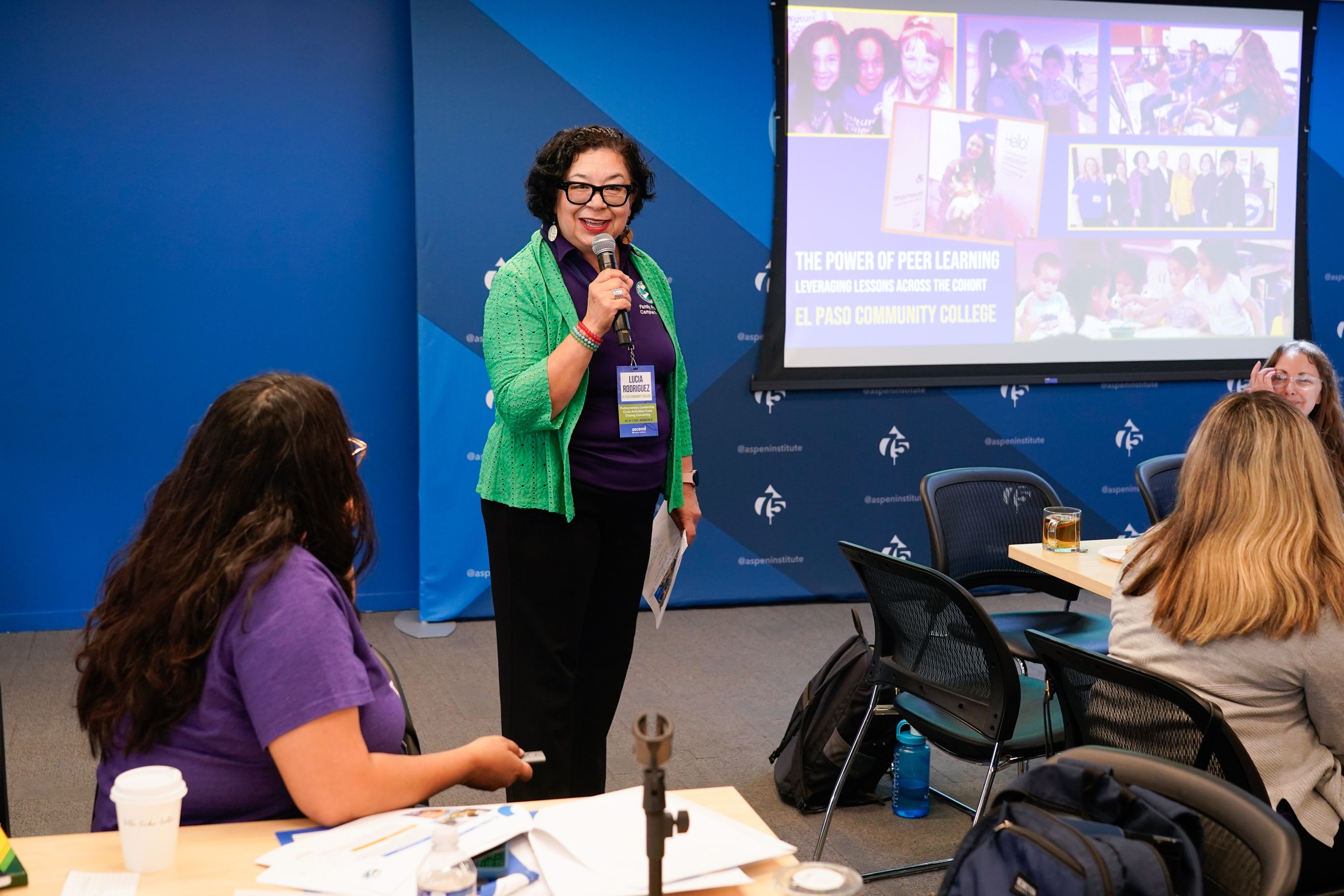


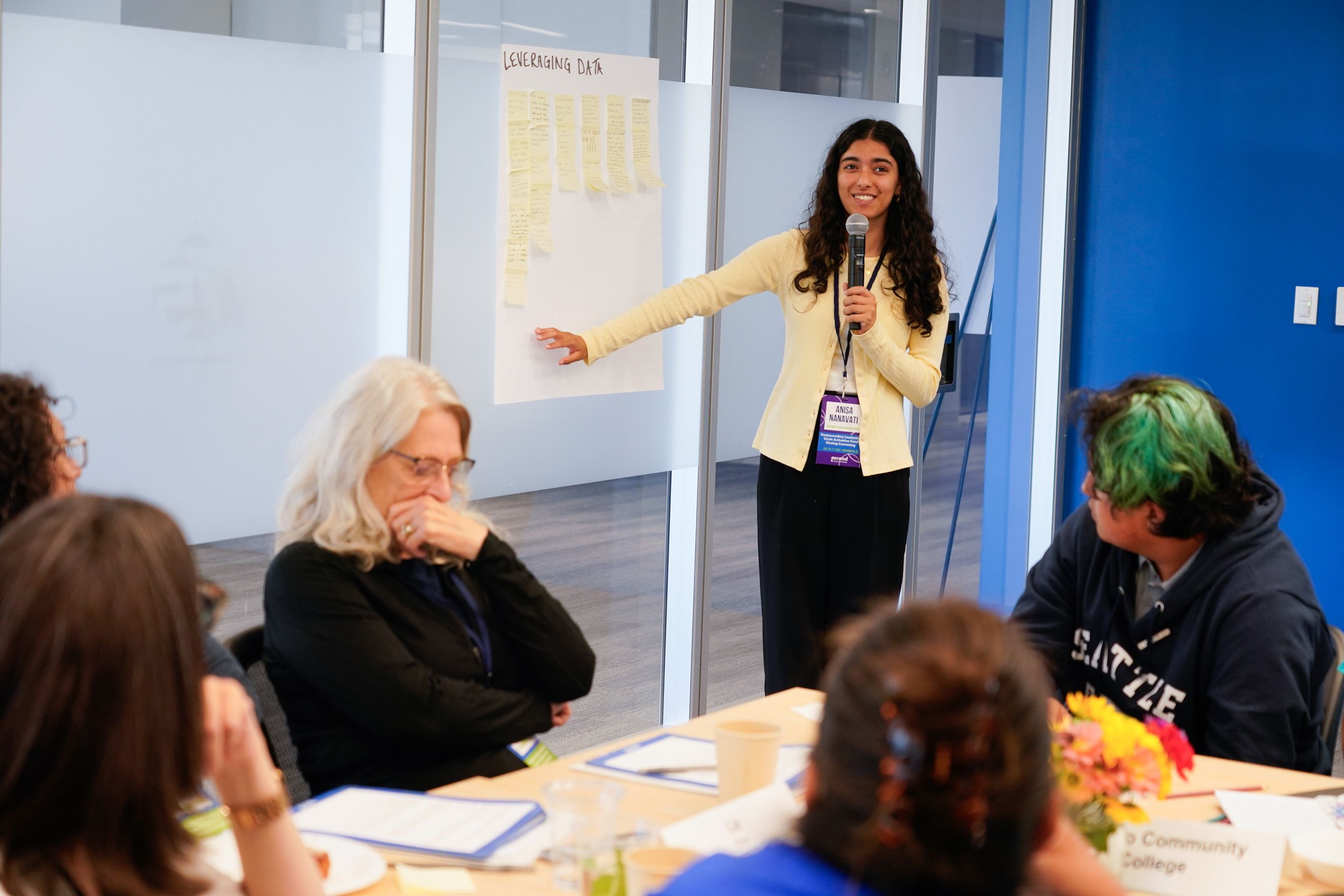
“One big takeaway for me is how important it is to center student parent voices at every stage of this work,not just as participants, but as partners in designing the solutions. As a student parent myself, being part of this process showed me how powerful it is when our experiences shape the programs and policies that impact us. Funders and institutions should know that when student parents are involved in the decision-making process, the strategies are more realistic, more impactful, and have a better chance of lasting beyond the grant period.” – Alisha Small, Student Parent, Montgomery College

2020-2021 Ascend PSP Parent Advisor Jesus Benitez with his son (Photo Credit: Desiree Rios)
2020-2021 Ascend PSP Parent Advisor Jesus Benitez with his son (Photo Credit: Desiree Rios)


More on Supporting Student Parents from Ascend
Student Parents at the Center: Strategies & Promising Practices
This resource shares key lessons from Ascend’s Postsecondary Leadership Circle Activation Fund, which supported four community colleges in implementing strategies to uplift student parents. It offers systemic, measurable, and sustainable approaches that other institutions can adapt to create more family-friendly campuses, ensuring student parents have the support they need to thrive academically and beyond.
Systemic, Measurable, & Sustainable Strategies for Student Parent Success: Faculty as Change Agents for Student Parent Achievement
Key tactics for engaging faculty to increase student parent success at postsecondary institutions, via the Postsecondary Leadership Circle Activation Fund.
Charting a Family-Friendly Futures in Higher Education
What does a truly family-friendly campus look like? From playgrounds near classrooms to data dashboards and student parenting hubs, this story explores five powerful strategies colleges are using to transform the student parent experience and strengthen entire communities.
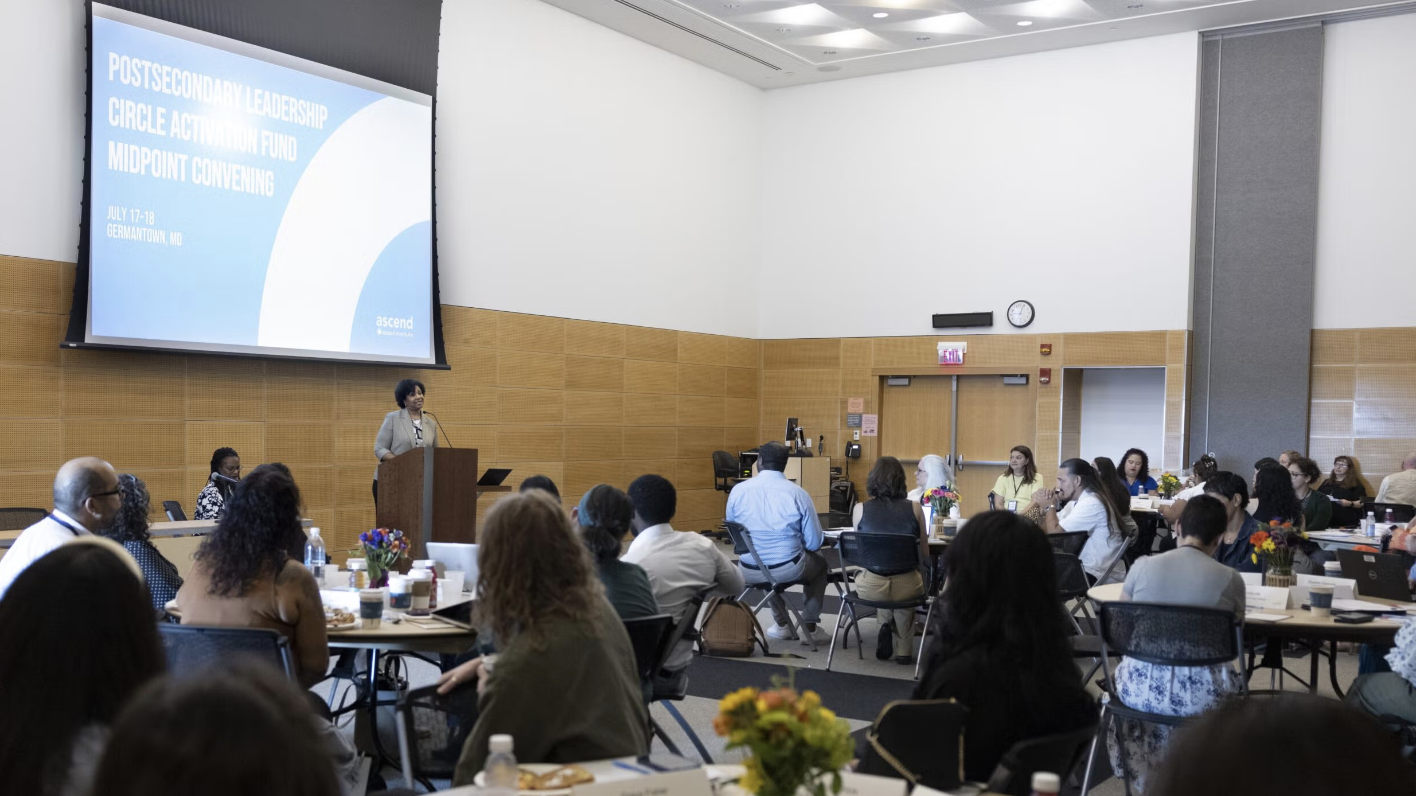
Beliefs Confirmed: Leaders Who Truly Care About Student Parent Success
This reflection on Ascend’s Postsecondary Leadership Circle Activation Fund convening highlights how higher education leaders and student parents are working together to advance family-friendly policies and practices.
 Built with Shorthand